Originally reported by PANews on November 11, 2026, at 16:40 (UTC+8).
Large Bitcoin holders are converting directly held BTC into shares of BlackRock’s iShares Bitcoin Trust (IBIT), according to BlackRock digital assets head Robbie Mitchnick. He said security and peace of mind are the main reasons clients give. The change does not eliminate custody risk: it changes who controls the bitcoin and what the investor holds.
From private keys to fund shares
Mitchnick said BlackRock had recorded about $3.6 billion in in-kind conversions of directly held bitcoin into IBIT shares since regulators approved the process in 2025. He cautioned that the actual amount could be higher because BlackRock does not handle or see every conversion. He said the minimum size for an IBIT in-kind conversion had fallen from roughly $30 million to $1 million–$2 million.
A self-custody holder controls the keys and can transfer their BTC, but bears the associated physical and technical security risks. An ETF shareholder instead holds fund shares while custody of the underlying bitcoin is delegated. As Bitwise chief investment officer Matt Hougan noted, shares can trade during the day, but an investor cannot immediately withdraw and transfer the corresponding bitcoin. Protections Hougan described for Bitwise’s custody arrangements should not be assumed to apply identically to IBIT.
Why custody is being reconsidered
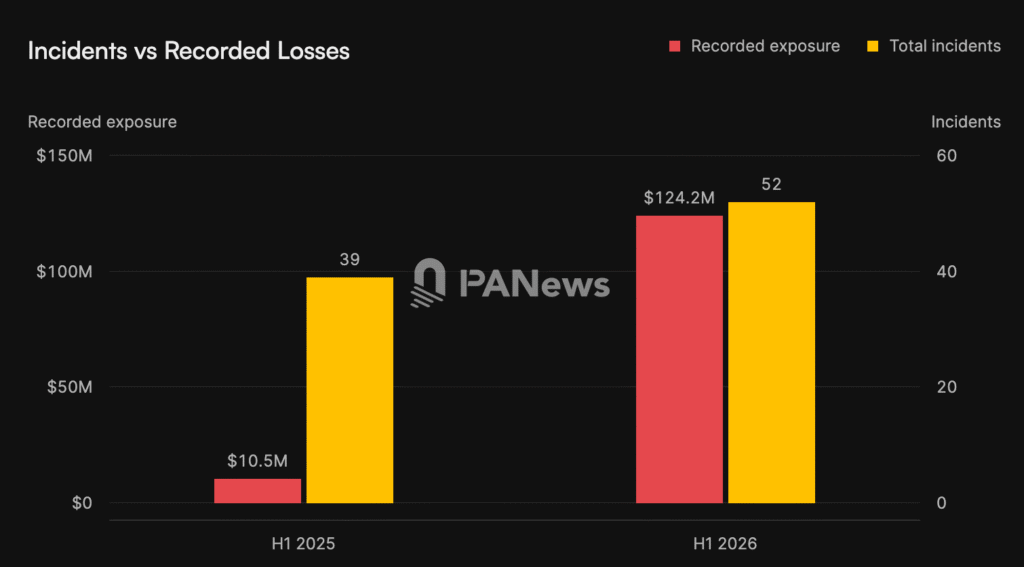
PANews linked the shift to concerns about physical attacks, compromised hardware wallets and exchange security. It cited CertiK figures recording 52 violent attacks against crypto holders worldwide in the first half of 2026, up 33.3% year over year. CertiK put recorded funds exposed in those incidents at approximately $124.1 million, versus $10.5 million a year earlier; 33 of the incidents were in France. PANews also reported alleged or disclosed hardware-wallet security incidents involving Coldcard, Ledger distribution channels and Trezor devices. These concerns help explain the appeal of delegated custody, but do not establish that every ETF arrangement is safer than every self-custody setup.
Delegation introduces a different concentration risk. PANews said Coinbase disclosed an approximately 90% share of Bitcoin ETF custody. OneKey founder Yishi warned that concentrated custody could expose fund shareholders to losses if a major theft could not be recovered or adequately compensated. Coinbase, for its part, said its vault assets are held in cold storage and segregated on-chain, and that customer assets are held 1:1 and not lent or used without customer instructions. Those are Coinbase’s descriptions of its controls; wallet visibility or a reserve claim alone does not establish all liabilities, recovery rights or protection against loss.
The choice is therefore not simply between “safe” and “unsafe” storage. It is between direct control of BTC and a fund share supported by a custody and redemption chain, each with different limits on access and different points of failure.
Source: panewslab.com (originally published 2026-11-11 16:40 UTC+8)