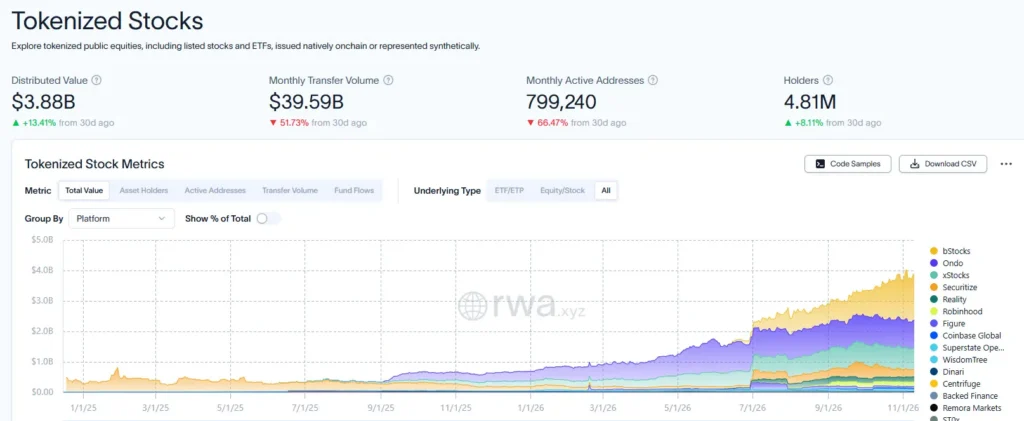
Originally reported by ChainCatcher on November 11, 2026, at 22:30 (UTC+8). On November 10, South Korean exchanges Upbit and Bithumb opened trading for Hyperliquid’s HYPE token. That same day, OKX listed xORCL, a tokenized product linked to Oracle stock. The contrast illustrates a divide in exchange offerings: while several global platforms were expanding stock-linked products, Korean exchanges remained focused on crypto spot trading.
Different products, different obligations
ChainCatcher reported that Binance had been adding tokenized US stock and ETF products under its bStocks offering after Abu Dhabi Global Market’s financial regulator approved the issuer’s prospectus. OKX, Gate, HTX and Bitget were also expanding stock-linked products, including perpetual contracts. These products should not be treated as interchangeable: a tokenized security, a stock-linked perpetual contract and a spot crypto token can involve different issuers, counterparties and customer claims. The source does not establish what ownership or custody rights each product gives its holder.
New crypto-token listings on Binance spot, meanwhile, had slowed. Binance Research counted 87 new spot projects in 2025; data from flexe.io cited by ChainCatcher counted 26 through November 11, 2026. The same flexe.io figures showed 49 tokens announced for delisting and 64 given observation labels in 2026, compared with 27 and 42, respectively, in 2025.
Why Korean exchanges followed a different path
South Korea’s financial regulator issued administrative guidance in 2017 restricting financial institutions from holding or operating crypto assets. ChainCatcher reported that the country had not established a regulated domestic crypto-derivatives market. Legislation passed in January 2026 placed tokenized securities within the capital-markets framework and assigned their distribution to securities firms and over-the-counter intermediaries; the relevant laws were due to take effect on February 4, 2027. Passage of that legislation did not give crypto exchanges a tokenized-securities channel.
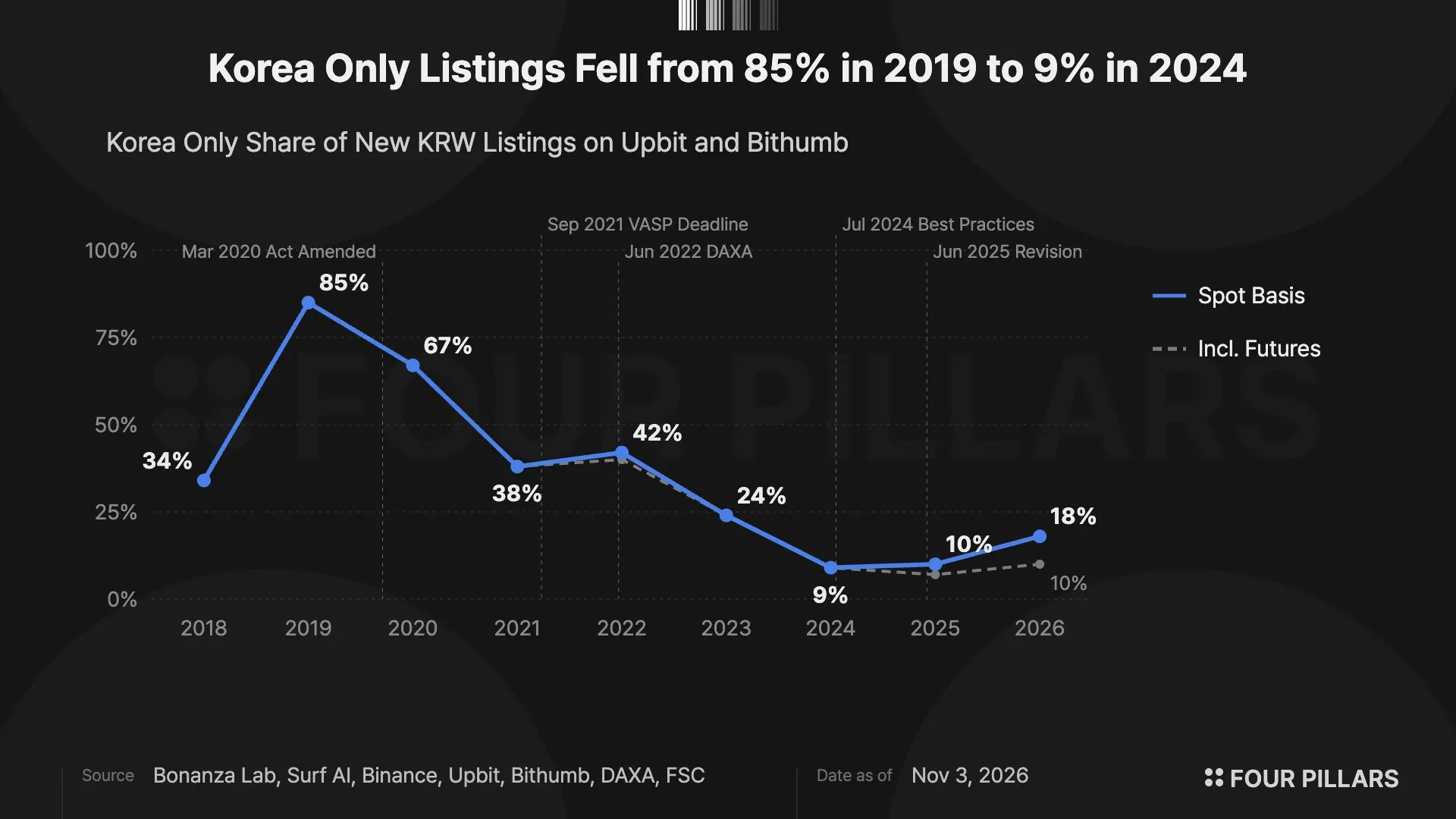
The remaining spot business was important to exchange revenue. According to South Korean financial disclosures cited by ChainCatcher, platform trading fees accounted for 97.49% of Upbit operator Dunamu’s first-quarter 2026 revenue and nearly 99.99% of Bithumb’s. CoinGecko data cited in the article put Upbit’s share of South Korean exchange trading volume at 65.44% in September, versus 26.87% for Bithumb.
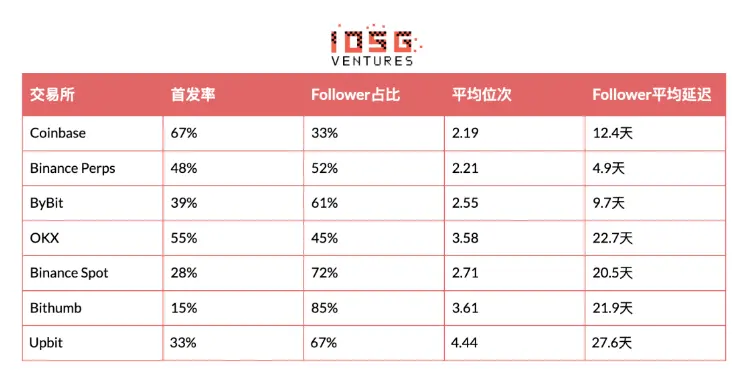
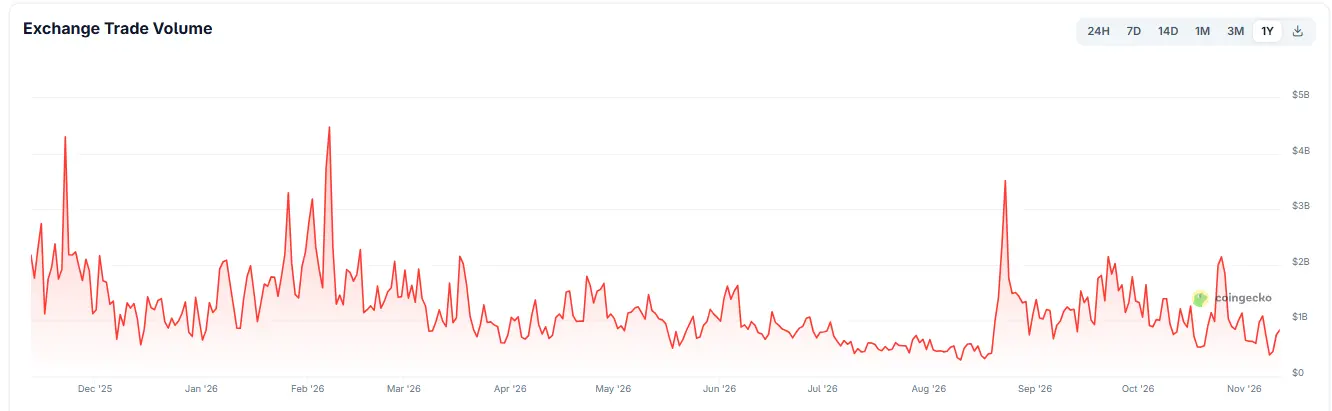
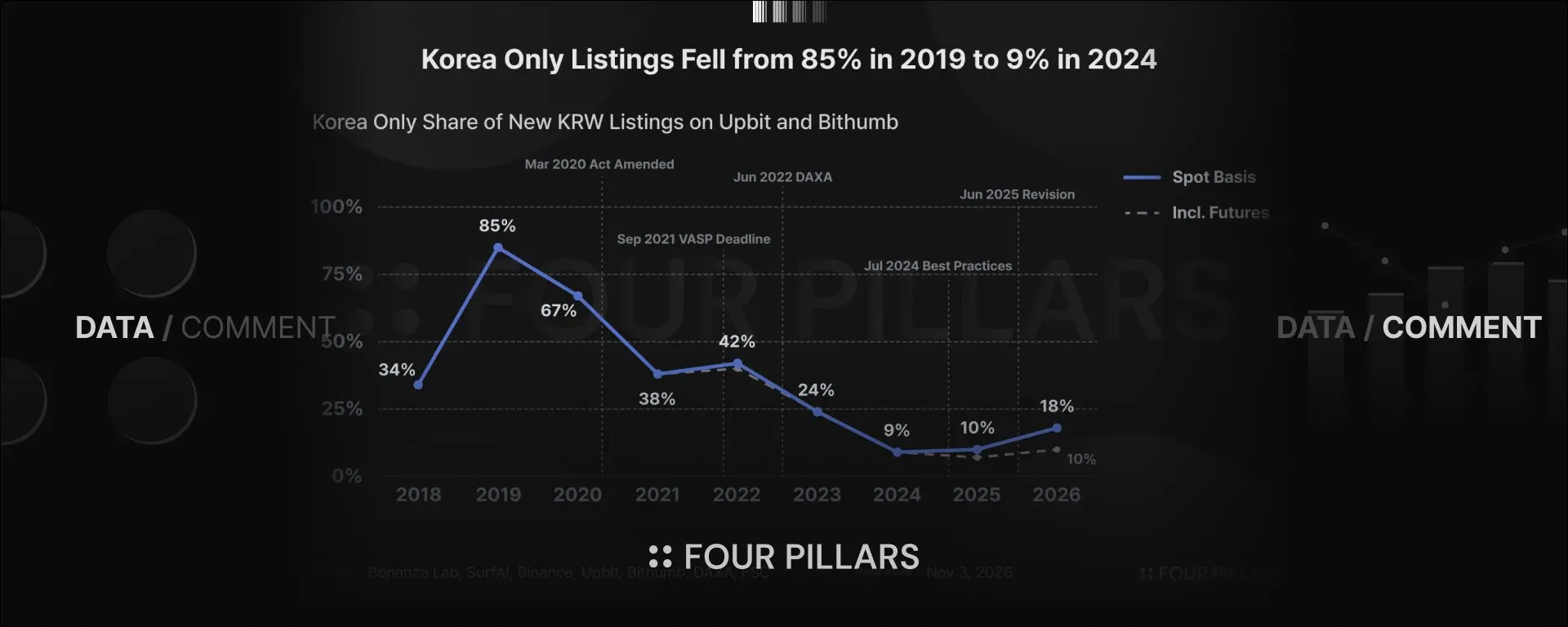
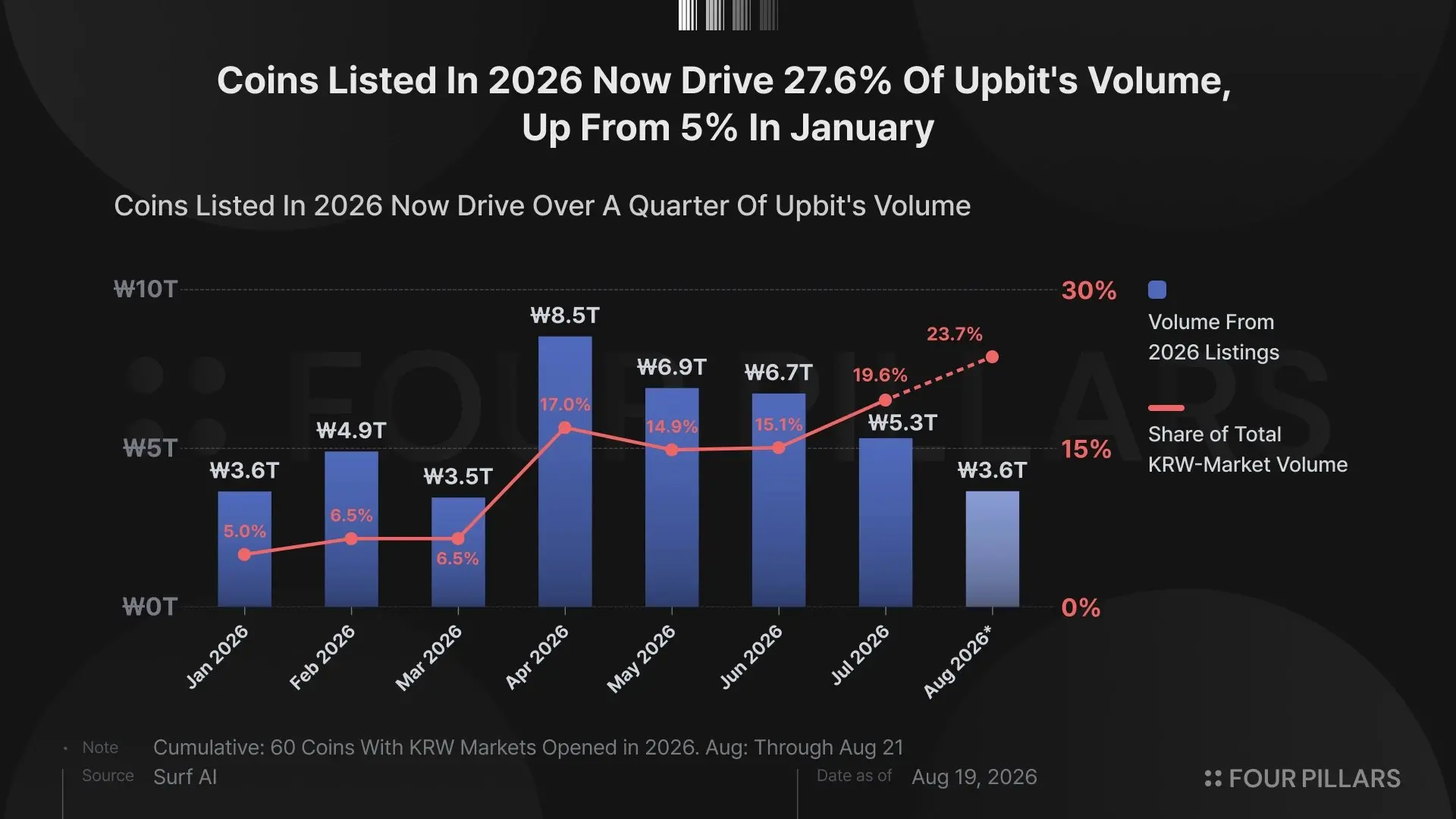
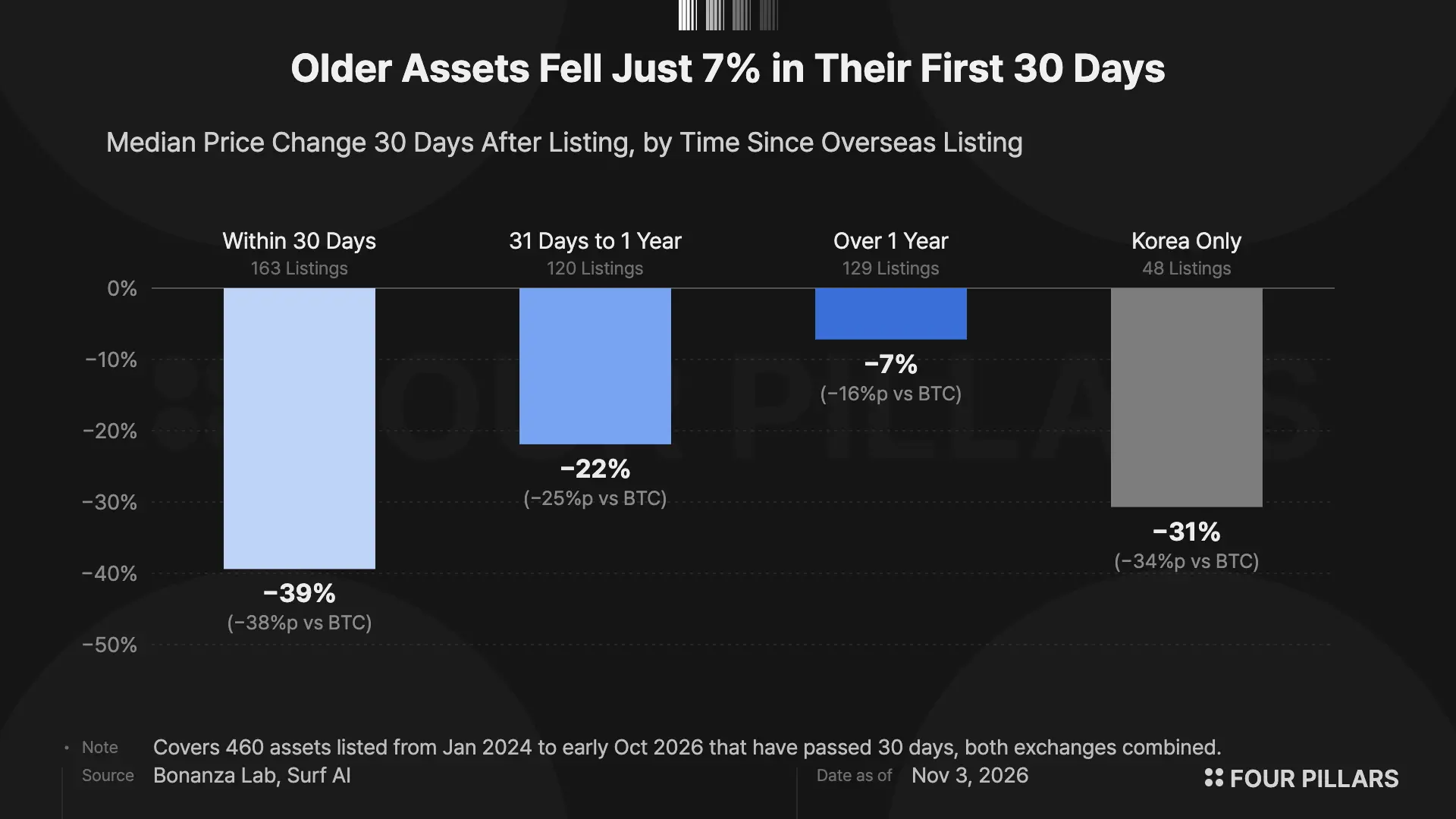
Upbit was listing more assets, but often after they had traded elsewhere. Researcher tranks of Four Pillars found that the share of new won-market listings on Upbit and Bithumb that preceded spot listings on Binance, OKX, Bybit and Coinbase fell from 85% in 2019 to 9% in 2024. The figure recovered to 18% in 2026, or 10% when assets previously traded on overseas derivatives markets were excluded. IOSG Ventures estimated that Upbit listed assets an average of about 28 days after their first exchange listing. Four Pillars also calculated that tokens newly listed in 2026 grew from 5% of Upbit trading volume in January to 27.6% in August.
A change in Korea’s market boundaries was under discussion, not enacted. At a November 10 policy meeting, Dunamu vice chairman Kim Hyoung-nyon argued for a regulatory design that would let the company compete globally. ChainCatcher also reported that the Financial Services Commission chair had said the regulator would examine whether, and to what extent, to relax the separation between finance and crypto. Neither statement established that Korean crypto exchanges could offer derivatives or tokenized stocks.
Source: chaincatcher.com (originally published 2026-11-11 22:30 UTC+8)