Originally reported by Deep Tide TechFlow on November 11, 2026, at 14:30 (UTC+8), in a translated article by nikos (@definikos). The four-layer credit desk described below is the author’s proposal, not an operating product.
A payments fintech may be able to borrow $30 million in USDC from Aave or Morpho in a transaction. That does not mean a lender has committed to make the same amount available every day for a year at an agreed price. In the article, nikos identifies that distinction—between access to a lending market and an enforceable funding commitment—as the central gap in on-chain working-capital credit.

Where the obligation would sit
The author argues that an Aave V4 Spoke can cap a borrower’s withdrawals without guaranteeing that funds will be available. A Morpho Midnight lender’s quote can be withdrawn before the borrower draws, while Avon routes requests to lenders quoting at the time. These mechanisms do not, on their own, put a counterparty under a year-long obligation to fund a fintech’s daily settlements.
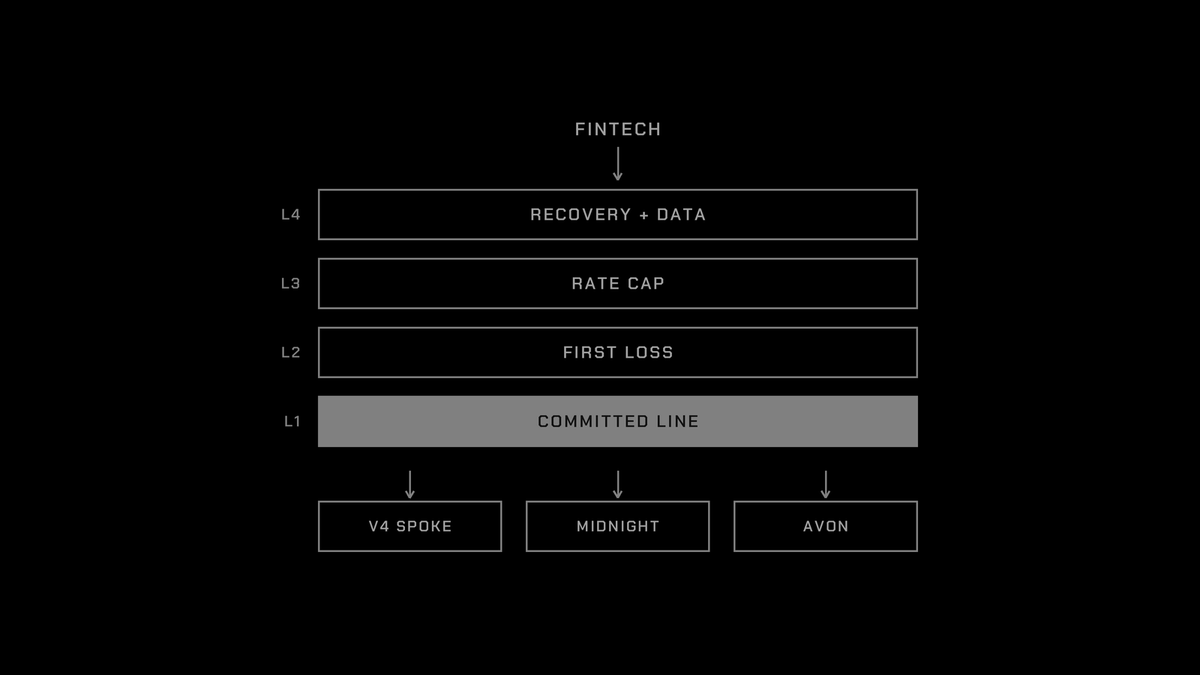
The proposed solution is a credit desk between the fintech borrower and underlying lending markets, with four components:
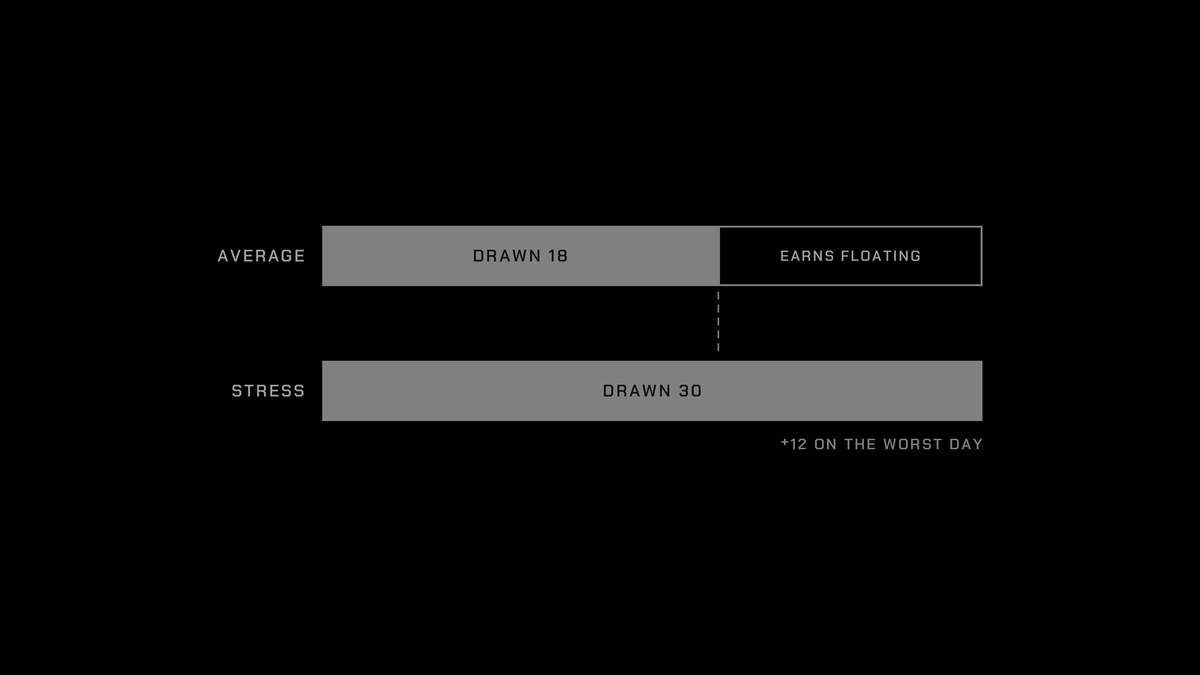
- A committed-liquidity vault would promise one borrower a maximum line for six to 12 months. It would charge for drawn funds and for the unused commitment, place idle funds in floating-rate markets, and route draws to a suitable underlying market. Its promise would still depend on liquidity being available when the borrower draws—not merely on average utilization. In the author’s $30 million example, a rise from an average $18 million draw to the full line would require another $12 million immediately.
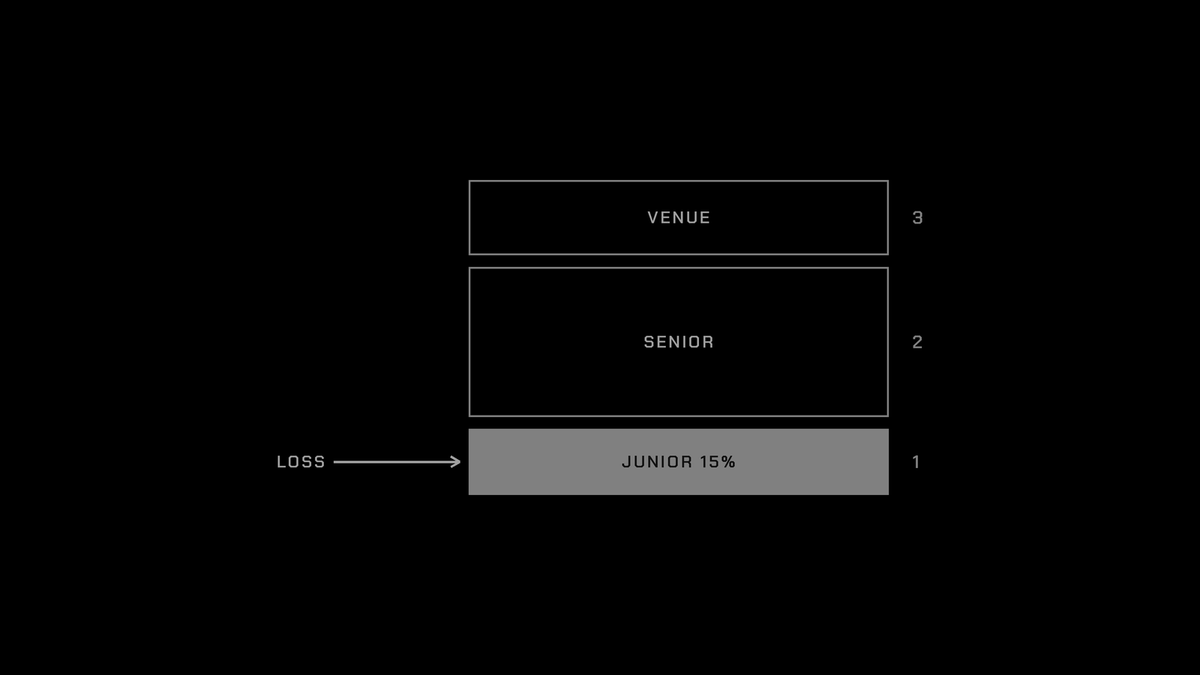
- A line-specific first-loss tranche would absorb credit losses before senior depositors or an underlying lending market. The author illustrates a junior tranche equal to 15% of an $18 million draw, or $2.7 million. A hypothetical $900,000 loss would consume one-third of that tranche, leaving senior principal untouched in that example. It would not eliminate the risk of larger losses or failed recovery.
- A borrowing-rate cap would pay when a specified borrowing-rate index exceeds a strike rate. For a $100 million notional, a 7% cap and a 9% average rate over 30 days, the author calculates a payout of about $164,000. The article says a standardized, liquid cap market for Aave and Morpho borrowing rates is still missing.
- Receivables valuation and recovery arrangements would combine prearranged standby buyers, valuations adjusted for expected credit losses, and triggers based on verified receivables and settlement data. These are proposals for handling collateral that cannot necessarily be sold within an hour—not evidence that its value or legal recoverability can be established on-chain alone.
The author presents Wildcat and 3Jane as examples of partial building blocks, not providers of the complete commitment. The article says Wildcat’s Kinto-related 2025 default was confined to one market, with lenders expected to recover 76% of principal. It describes 3Jane as using on-chain and bank-account data for underwriting and dividing lender capital into 85% senior and 15% junior portions.
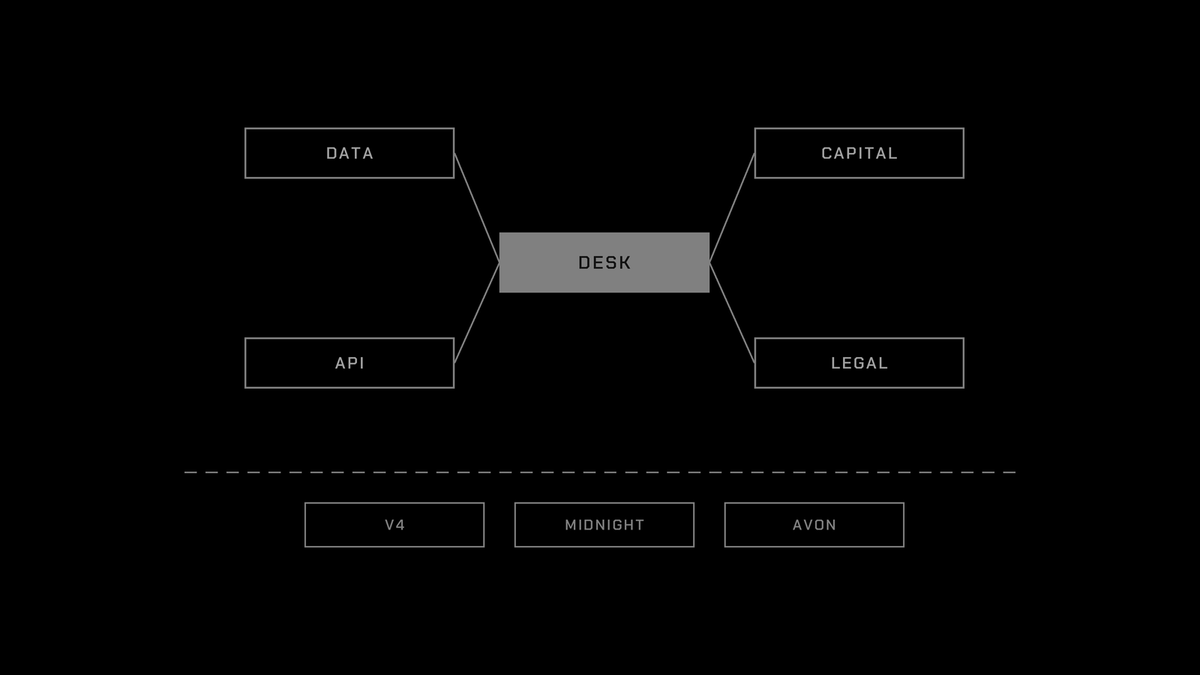
The unresolved question is who must perform when funding or recovery becomes difficult. A vault’s commitment exposes its depositors to concentrated draws; a junior tranche covers losses only up to its available capital. Receivables enforcement may require lengthy off-chain legal proceedings. Nikos therefore argues that underwriting data, committed capital, borrower integrations and legally enforceable claims—not smart-contract code alone—would determine whether such a credit desk could deliver the promised line.
Source: techflowpost.com (originally published 2026-11-11 14:30 UTC+8)